
Top 5 Best Organic Green Tea Products for 2026
If you’re on a quest for a clean‑caffeine boost that marries flavor with wellness, you’ve landed in the right spot. Organic green tea isn’t just a trendy sip, it’s a powerhouse of antioxidants, calm focus, and earthy delight. In this roundup, we’ve hand‑selected five standout blends that champion purity, sustainability, and taste. Whether you’re a seasoned tea connoisseur or just brewing your first cup, these
5. Handpick Organic Green Tea Bags

Organic Green Tea that’s as kind to the planet as it is to your palate. Each bag holds hand‑picked, freshly harvested leaves from the Himalayan foothills of India, packed within 24‑72 hours to lock in garden‑fresh aroma and vibrant flavor. The tea is minimally processed, unoxidized, dye‑free, and free from chemicals, adhesives, or chlorine bleach, so you get a pure, delicate brew that delivers the classic, slightly grassy notes and a subtle, lingering sweetness. Certified USDA Organic, the bags are housed in a resealable pack that keeps every sip as fresh as the first, while the brand’s carbon‑neutral and plastic‑neutral commitments mean you’re supporting a truly sustainable supply chain.
Pros
- Nutrient‑rich, low‑processing: Unoxidized leaves preserve antioxidants and give a light, refreshing taste.
- Eco‑friendly packaging: No dyes, glue, or bleach; resealable, biodegradable bags reduce waste.
- Ethically sourced: Directly from Himalayan farms with fair‑trade pricing, supporting farmer livelihoods.
Cons
- Delicate flavor profile may be too mild for those who prefer strong, robust teas.
- Limited availability of the resealable pack could make bulk purchasing less convenient.
4. Rishi Tea Matcha Organic Sachet Bags
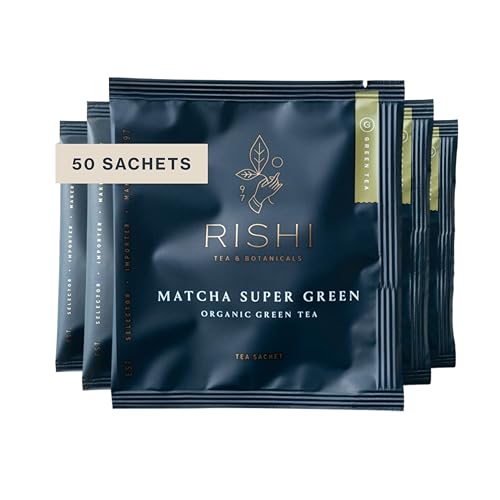
Rishi Tea’s Matcha Super Green Japanese Tea delivers a vibrant, umami‑rich experience in convenient, single‑serve sachet bags. Each bag blends premium, organic sencha and ceremonial‑grade matcha, giving you a smooth, grassy flavor that’s both refreshing and subtly sweet. The natural caffeine provides a gentle lift without the jitters, while the powerful antioxidants from the green tea leaves support cellular health and a radiant complexion. Packaged in a 50‑count box, these sachets are perfect for home brewing, office breaks, or on‑the‑go moments, ensuring you never miss your daily dose of wellness. Rishi’s commitment to quality shines through every step, from responsibly sourced farms to meticulous processing, so you can trust you’re sipping only the finest Japanese tea. And if anything falls short of expectations, their dedicated customer service is ready to make it right.
Pros
- Organic, high‑quality blend of sencha and matcha delivers authentic Japanese flavor and robust antioxidant benefits.
- Convenient sachet format eliminates the need for a whisk or loose‑leaf measuring, perfect for busy lifestyles.
- Rishi’s quality promise ensures traceable sourcing and responsive customer support.
Cons
- The subtle umami profile may be an acquired taste for those accustomed to sweeter tea blends.
- Single‑serve sachets generate more packaging waste compared with bulk loose leaf options.
3. VAHDAM, Himalayan Green Tea 100 Count

Indulge in the crisp, earthy elegance of VAHDAM’s Organic Himalayan Green Tea. Grown at high altitudes in the pristine Himalayas of India, each leaf is cultivated without synthetic pesticides, fertilizers, or GMOs, delivering a USDA‑organic guarantee of purity and sustainability. The tea’s medium‑caffeine profile offers a gentle lift, while its naturally sweet, smooth flavor reflects the untouched mountain environment. Housed in plant‑based, biodegradable pyramid bags, the leaves unfurl fully, releasing a rich, aromatic brew that’s both eco‑friendly and convenient thanks to a resealable pack. VAHDAM’s commitment to carbon‑neutral and plastic‑neutral operations, fair‑trade sourcing, and the Teach Me initiative, reinvesting 1 % of revenue into tea‑grower education, means every cup supports both the planet and the people behind it.
Pros
- 100 % USDA Organic & Non‑GMO – ensures a clean, safe, and high‑quality tea experience.
- Biodegradable pyramid bags – allow full leaf expansion for maximum flavor while being environmentally responsible.
- Ethical, fair‑trade supply chain – supports growers with fair pricing and invests in their children’s education.
Cons
- Medium caffeine may be too stimulating for those seeking a completely caffeine‑free option.
- Premium price reflects sustainable practices and fair‑trade sourcing, which may be higher than conventional green teas.
2. FGO Organic Matcha Tea 100 Count

Organic Japanese Matcha + Green Tea comes in a convenient 100‑count pack of eco‑conscious tea bags, each filled with USDA‑certified organic matcha harvested in Japan and blended with smooth green tea. The bags are sealed in foil‑lined kraft packaging right here in California, preserving freshness while minimizing waste. Made from Abacá hemp‑fiber paper, the bags contain no dyes, adhesives, glue, chlorine bleach, staples, strings, or extra packaging, just pure tea in a biodegradable envelope. For the best flavor, brew with fresh, filtered water at a slightly cooler temperature (around 175 °F/80 °C) to coax out the sweet, floral notes without over‑extracting bitterness. The resealable bag keeps the tea fresh for weeks, and each pack arrives in a variation of eco‑friendly designs, so you’ll never know exactly which one you’ll get, but the quality is always the same.
Pros
- Fully organic & USDA‑certified – peace of mind for health‑focused tea lovers.
- Eco‑friendly packaging – hemp‑fiber bags and foil‑lined kraft reduce landfill waste.
- Convenient resealable bag – maintains freshness and makes on‑the‑go brewing easy.
Cons
- Cooler brewing temperature required – may need a kettle with temperature control for optimal taste.
- Packaging design varies – while functional, the look of the outer bag isn’t consistent.
1. FGO Organic 100-Count Green Tea Bags

FGO Organic Green Tea delivers a pure, garden‑fresh experience in every sip. Sourced from high‑quality tea leaves grown in China, the leaves are expertly blended, then sealed into 100 eco‑conscious tea bags right here in California. Each bag is made from Abacá hemp‑fiber paper, completely free of dyes, adhesives, glue, chlorine bleach, staples, strings, or extra packaging waste. The resealable pouch keeps the tea fresh while minimizing environmental impact, and the product proudly carries USDA Organic and Non‑GMO Project certifications, so you can trust it’s both wholesome and responsibly produced. Whether you’re starting your day or taking a calming break, this caffeinated green tea offers a smooth, invigorating flavor without compromising your values.
Pros
- Eco‑friendly packaging – Abacá hemp‑fiber bags and a reusable pouch reduce waste dramatically.
- Certified organic & non‑GMO – USDA Organic and Non‑GMO Project seals guarantee clean, chemical‑free tea.
- Convenient freshness – Resealable pouch maintains aroma and potency for the full 100‑bag count.
Cons
- Limited flavor variety – Currently offered only as classic green tea, which may not satisfy those seeking flavored blends.
- Packaging may vary – Slight differences in pouch design could be confusing for collectors who prefer uniform packaging.
Related Reading
- Top 5 Organic Tea Brands of 2026: Best Herbal and Green Teas
- Green Tea Caffeine vs Coffee: A Detailed Comparison for Health-Conscious Drinkers
- Top 5 Best Matcha Green Tea Powder Products 2026
Frequently Asked Questions
What should I look for on the label to ensure a green tea is truly organic?
- Certified organic seal – Look for USDA‑USDA Organic, EU Organic, or other reputable certification logos.
- 100 % organic claim – The product should state “100 % organic” rather than “made with organic ingredients.”
- Single‑origin sourcing – Indicates the tea leaves come from a specific region, helping you assess quality and traceability.
- Non‑GMO and pesticide‑free statements – Reinforces that the tea was grown without synthetic chemicals.
Which organic green tea varieties are considered the highest quality for flavor and health benefits?
- Japanese Gyokuro – Shade‑grown for 20–30 days, yielding a rich umami profile and high L‑theanine content.
- Chinese Longjing (Dragon Well) – Pan‑fried leaves give a sweet, nutty flavor and abundant catechins.
- Organic Matcha – Finely ground, stone‑milled tea powder that delivers the full spectrum of antioxidants when whisked into water.
Choosing any of these certified organic varieties ensures a superior taste experience and a potent antioxidant boost.
How can I store organic green tea to preserve its freshness and potency?
- Airtight container – Transfer the tea to a sealed tin, glass jar, or zip‑lock bag with a one‑way valve.
- Cool, dark place – Store away from sunlight, heat, and humidity (e.g., a pantry or cabinet).
- Avoid strong odors – Green tea absorbs aromas, so keep it separate from spices, coffee, or scented products.
- Use within 6–12 months – Even organic tea degrades over time; consuming it sooner maximizes flavor and antioxidant levels.
Conclusion
In the end, choosing an organic green tea hinges on a blend of quality, transparency, and personal preference. Prioritizing certifications and responsibly sourced leaves ensures you’re sipping a beverage free from harmful chemicals while supporting sustainable farming practices. Pay attention to flavor profiles, brewing guidelines, and the brand’s commitment to ethical standards, as these factors together shape both taste and impact. By staying informed and mindful of these criteria, you can enjoy the myriad health benefits of green tea, antioxidants, calm focus, and a gentle energy lift, while feeling confident that your cup aligns with a greener, healthier lifestyle.