
Best Rolling Pin: 6 Ranked for 2026
The best rolling pin rolls dough out evenly with the right weight and a comfortable grip, because a light, sticky, or awkward pin fights you and gives you uneven pie crust. I bake pies and cookies often, and the pin you reach for really does change how the dough behaves. The choice comes down to style: a classic barrel pin with handles is the do-everything pick, a tapered French pin gives fine control, a heavy marble pin stays cool for pastry, and an adjustable pin rolls a precise, even thickness. The keys are the right weight, a smooth non-stick surface, and a comfortable feel. We ranked six rolling pins on control, material, and value. Here’s the one to buy.
What to Look for in the Best Rolling Pin
Four things separate a great rolling pin from a frustrating one:
- Style. A barrel pin with handles is the versatile all-rounder; a tapered French pin gives feel and control; a heavy marble pin stays cool for pastry; an adjustable pin rolls even thickness. Pick for your baking.
- Weight. A heavier pin does more of the work, pressing dough with less effort, which is why marble is popular. Lighter wood pins give more finesse.
- Surface. A smooth, moisture-resistant surface glides over dough without dragging or sticking. Marble and finished hardwood both work well.
- Comfort. Ergonomic handles or a well-balanced tapered shape reduce hand fatigue. Pair a pin with our best kitchen scale for baking for consistent dough.
1. Farberware Classic Wood Rolling Pin
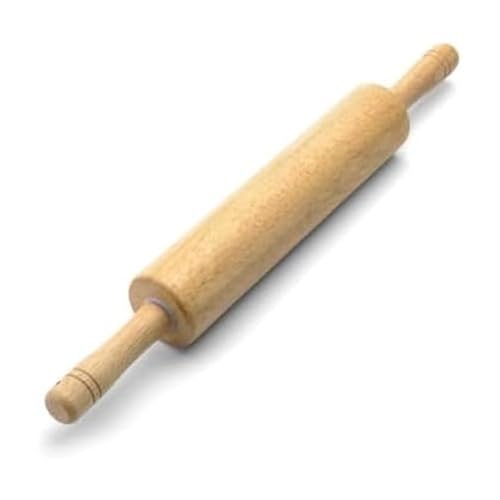
This is the rolling pin I’d recommend to most people. The Farberware Classic is built from moisture-resistant hardwood that delivers a smooth, non-dragging surface for gliding over pie crust, cookie dough, and pizza, and its specially designed ergonomic comfort-grip handles give you maximum control and reduce hand fatigue. It’s the traditional barrel-and-handles design that does everything well, from a trusted brand, at a low price. That combination of a smooth hardwood barrel and comfortable handles is exactly what most home bakers want. It’s the versatile, do-anything pin. Between the moisture-resistant wood, the comfortable handles, and the value, I think it’s the clear starting point.
Pros:
– Moisture-resistant hardwood barrel
– Smooth, non-dragging surface
– Ergonomic comfort-grip handles
– Versatile classic design
– Trusted Farberware value
Cons:
– Lighter than marble pins
– Wood needs hand washing
2. French Rolling Pin (Tapered)
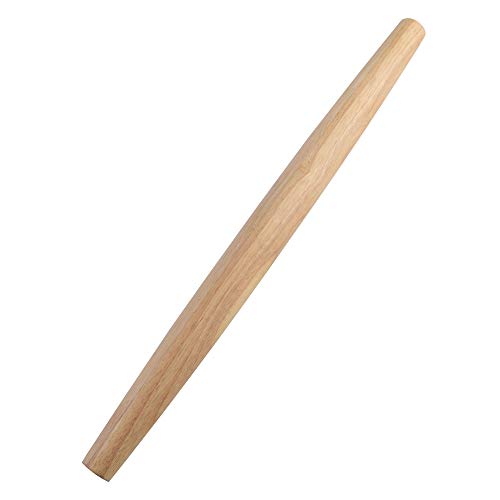
If you want the control serious bakers love, the French rolling pin is my pick. Made from solid rubberwood for durability, it has the classic, timeless European tapered design, no handles, just a gently tapered dowel you roll with your palms. That handle-free shape gives you a direct feel for the dough’s thickness and lets you pivot and taper crusts with finesse a barrel pin can’t match. It’s the pin many pastry cooks prefer. At under nine dollars it’s also the cheapest here. If you want fine control over pie and pastry dough and like the French style, this is the one I’d choose. The tapered ends make shaping round crusts easier.
Pros:
– Tapered French design for control
– Solid rubberwood durability
– Direct feel for dough thickness
– Great for pastry and pie crust
– Lowest price on the list
Cons:
– No handles takes practice
– Lighter than barrel and marble pins
3. Adjustable Rolling Pin with Thickness Rings

For perfectly even dough, the adjustable rolling pin is my pick. This 17-inch stainless steel pin comes with removable thickness rings in 1/16, 1/8, 1/4, and 3/8-inch sizes, so you clip on the size you want and the rings ride on the counter to roll dough to an exactly uniform thickness every time. That takes the guesswork out of even pie crusts, fondant, and cookies that bake at the same rate. The stainless surface is smooth and easy to clean. It’s a low price for such a useful feature. If you want consistent, even dough without eyeballing it, this is the one I’d choose. The rings genuinely fix uneven rolling.
Pros:
– Removable rings for exact thickness
– Four thickness settings
– Rolls perfectly even dough
– Smooth stainless steel surface
– Affordable
Cons:
– Rings are small to store
– Metal feels different than wood
4. Zulay Kitchen Marble Rolling Pin with Stand

If you make a lot of pastry, the Zulay marble pin is my premium pick. This heavy marble rolling pin has 360-degree bearings that let you roll out even the toughest dough with less effort, since the weight does the pressing, and it’s crafted from 100 percent polished natural marble. Marble’s real advantage is that it stays cool, which keeps butter in pie and pastry dough from softening as you roll, the secret to flaky crust. It comes with a stand so it sits neatly on the counter. It’s the priciest option here, and for pastry lovers it earns it. If you bake pie and laminated doughs, this is the one I’d choose. The cool marble makes a real difference for butter-rich dough.
Pros:
– Heavy marble presses dough easily
– 360-degree smooth bearings
– Stays cool for pastry and pie dough
– 100% polished natural marble
– Includes a stand
Cons:
– Most expensive on the list
– Heavy and can chip if dropped
5. Fox Run Marble Rolling Pin with Cradle
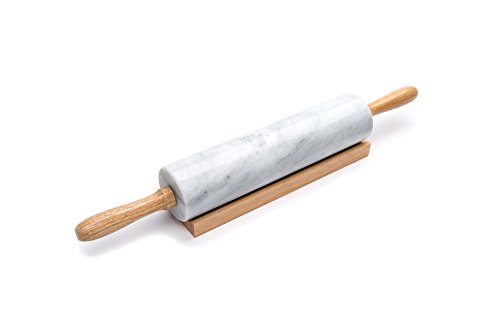
For a marble pin that looks as good as it works, the Fox Run is my pick. It’s an elegant natural stone rolling pin designed from 100 percent marble and accented with a sleek, smooth wooden cradle to rest it on, and because each piece of marble is different, the unique variations mean your pin is genuinely one-of-a-kind. Like all marble pins, it stays cool for working butter-rich dough and its weight makes rolling easier. It sits just below the Zulay in price. That combination of cool-rolling marble and a handsome display cradle is the draw. If you want a beautiful, functional marble pin, this is the one I’d choose. It looks lovely left out on the counter.
Pros:
– 100% polished marble
– Stays cool for pastry dough
– Handsome wooden cradle
– One-of-a-kind marble variations
– Weight eases rolling
Cons:
– Heavy and chippable
– No bearings like the Zulay
6. Beech Wood Rolling Pin with Handles

The beech wood pin rounds out the list as a handled-wood alternative. It’s expertly made from solid, moisture-resistant beech wood, a dense, smooth hardwood that glides over dough and resists warping, and at 17.6 inches with easy-grip ergonomic handles it gives you maximum control with a well-balanced feel. It’s essentially a slightly larger, beech-wood take on the classic barrel design at a low price. That dense beech surface and balanced handling are the draw for anyone who prefers a traditional wood pin. It’s affordably priced. If you like a classic handled wood pin and want beech instead of generic hardwood, this is the one I’d choose. The balanced weight makes long rolling sessions comfortable.
Pros:
– Dense, moisture-resistant beech wood
– Smooth, non-warping surface
– Easy-grip ergonomic handles
– Well-balanced 17.6-inch feel
– Affordable
Cons:
– Lighter than marble
– Lesser-known brand
Which Rolling Pin Should You Buy?
| If you… | Then choose |
|---|---|
| Want the best all-around pin | Farberware Classic (#1) |
| Want fine pastry control | French Rolling Pin (#2) |
| Want perfectly even dough | Adjustable with Rings (#3) |
| Make a lot of pastry | Zulay Marble (#4) |
| Want a handsome marble pin | Fox Run Marble (#5) |
| Prefer a handled beech pin | Beech Wood (#6) |
For most people I’d start with the Farberware Classic at #1: a smooth moisture-resistant hardwood barrel, comfortable handles, and a versatile design at a low price. Want fine control, even thickness, or cool-rolling marble? The French pin, adjustable pin, and Zulay marble cover those. Whatever you pick, flour the pin lightly and roll from the center out for even dough. For baking, see our best bread pan and best cake stand guides.
Looking to round things out? Our best rolling carts for teachers guide is a good next stop.
Frequently Asked Questions
What type of rolling pin is best?
A classic barrel pin with handles is the most versatile and beginner-friendly, handling everything from cookies to pizza. Tapered French pins give experienced bakers finer control over pastry. Heavy marble pins stay cool for butter-rich doughs, and adjustable pins roll a perfectly even thickness. Choose based on what you bake most.
Are marble rolling pins better than wood?
Marble pins are heavier, so they press dough with less effort, and they stay cool, which keeps butter firm in pie and pastry dough for flakier results. Wood pins are lighter, warmer to the touch, and give more finesse. Marble is best for pastry; wood is a great, easy all-rounder.
What is a French rolling pin?
A French rolling pin is a single tapered wooden dowel with no handles, thicker in the middle and narrowing toward the ends. You roll it with your palms, which gives a direct feel for the dough and lets you pivot to roll even circles and taper edges. Many pastry cooks prefer it for control.
How do you clean a rolling pin?
Scrape off dough, then wipe a wood or marble pin with a damp cloth and dry it right away, since soaking wood can warp it and marble should not sit wet. Avoid the dishwasher for wood and marble. Stainless and adjustable pins can usually be washed more freely, but check the maker’s guidance.
Last updated: August 17, 2026. Product availability re-checked.
This page contains affiliate links. As an Amazon Associate we earn from qualifying purchases, at no extra cost to you.